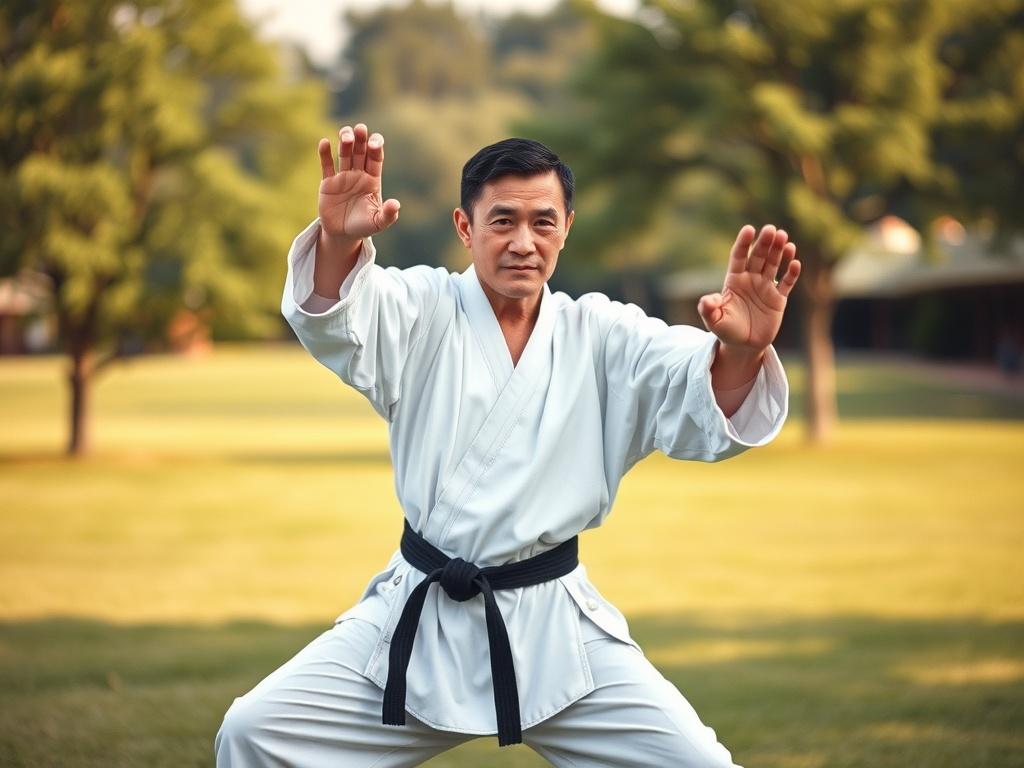
Martial arts training offers a dynamic approach to achieving holistic health, seamlessly blending physical fitness, mental discipline, and emotional well-being. As practitioners engage in various forms of martial arts, they not only enhance their physical capabilities but also develop valuable life skills that extend far beyond the dojo. This unique synergy of mind and body encourages individuals to embrace a healthier lifestyle while fostering a sense of personal growth and resilience.
In this blog post, we will delve into the numerous benefits of martial arts training, exploring how it contributes to physical health through rigorous fitness routines, instills discipline that sharpens the mind, and cultivates mindfulness that enhances overall well-being. By discussing these essential aspects of martial arts, we aim to inspire readers to consider how this practice can transform their lives, promoting a balanced approach to health and wellness that encompasses every facet of their being.
Embracing fitness through martial arts: A path to physical health
Martial arts training offers a dynamic and engaging approach to fitness that sets it apart from traditional workout routines. Practitioners improve their strength, flexibility, and endurance through various techniques and movements unique to each martial art. With the combination of cardiovascular workouts and strength training elements, participants can burn calories and build lean muscle mass while enjoying the process. Regular training not only enhances physical fitness but also improves coordination and balance, essential components for overall athleticism and injury prevention.
Moreover, martial arts encourage a regular exercise habit, making it easier for individuals to stay consistent with their fitness goals. The structured environment of classes promotes accountability, and the sense of community fosters motivation among participants. As students progress through their training, they experience measurable improvements in their physical capabilities, reinforcing their commitment to a healthier lifestyle. Ultimately, martial arts serve as an empowering avenue for achieving and maintaining optimal physical health while instilling a lifelong appreciation for fitness.
Building discipline: The mental health benefits of martial arts training
Martial arts training instills discipline in practitioners by demanding focus, commitment, and perseverance. As students learn complex techniques and kata, they cultivate a strong sense of determination that extends beyond the dojo. This dedication to continuous improvement fosters a growth mindset, encouraging individuals to face challenges with resilience. The structured environment of martial arts classes reinforces accountability, helping students develop self-control and time management skills. Whether it's perfecting a stance or sparring with a partner, every aspect of training teaches practitioners the value of hard work and discipline in achieving their goals.
Moreover, the discipline gained through martial arts training significantly impacts mental well-being. Regular practice serves as a powerful stress-relief tool, allowing individuals to channel their energy into physical activity rather than letting stress overwhelm them. Martial arts emphasizes setting goals and working toward them—skills that translate to personal and professional life. As students become more disciplined, they often experience improved self-esteem and confidence, enabling them to navigate life's challenges with greater ease. The mental fortitude developed in martial arts creates a stable foundation for emotional health, empowering practitioners to overcome obstacles and maintain a balanced lifestyle.
Cultivating mindfulness: How martial arts fosters holistic well-being
Practicing martial arts involves a deep focus on the present moment, which cultivates mindfulness in unexpected ways. Training sessions require practitioners to concentrate on their movements, breathing, and the rhythms of their bodies. This heightened awareness not only improves physical execution but also fosters a sense of mental clarity. As students engage in techniques and sparring, they learn to quiet their minds and hone their focus, skills that translate seamlessly into daily life. By emphasizing the importance of being mentally present, martial arts practitioners develop a profound understanding of their thoughts and emotions, creating a more balanced state of being.
Additionally, martial arts training often integrates breathing exercises and meditation into its routines. These practices enhance emotional regulation and promote a state of calmness amidst life’s chaos. Participants cultivate resilience through challenges faced on the mat, learning to overcome obstacles and remain composed under pressure. This mental fortitude reinforces an individual’s ability to manage stress and anxiety effectively. By embracing the philosophies of martial arts, individuals unlock the pathway to holistic well-being, connecting their physical training with their emotional and mental health, and ultimately leading to a more grounded and fulfilling life.