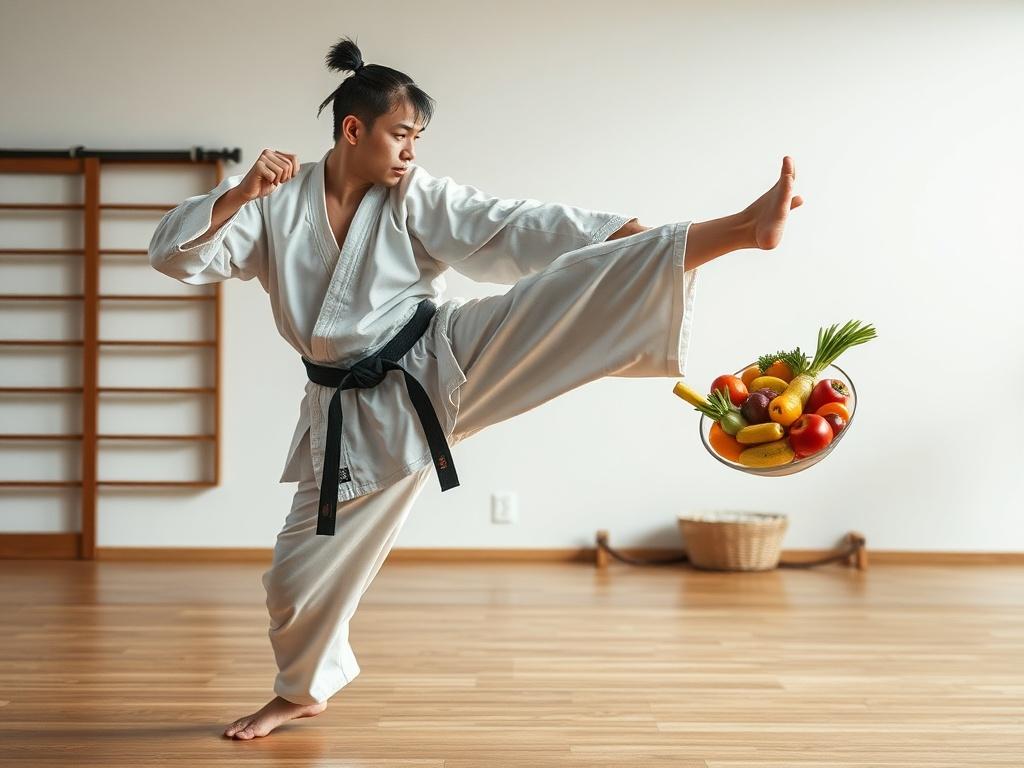
Martial arts demand a unique blend of physical strength, mental focus, and unwavering discipline. Yet, many practitioners overlook a vital element that can significantly enhance their performance: nutrition. Understanding the role of diet in martial arts isn't just about fueling the body; it's about optimizing every aspect of training, recovery, and overall health. This blog post will delve into how nutrition can elevate martial artists, boosting their performance on the mat while promoting long-term wellness.
Balanced nutrition goes beyond mere caloric intake—it directly impacts physical and mental well-being, allowing fighters to push their boundaries and achieve their goals. By focusing on the right nutrients, martial artists can improve their endurance, strength, and cognitive function while reducing the risk of injury. In the following sections, we will discuss the crucial role of diet in martial arts performance, explore how balanced nutrition supports fighters' overall health, and provide practical tips for optimizing your diet to maximize training outcomes. Embrace the power of nutrition, and elevate your martial arts journey to new heights!
Understanding the crucial role of diet in martial arts performance
Nutrition serves as the foundation for optimal performance in martial arts. Fighters rely on their bodies to execute complex techniques and maintain high energy levels throughout training and competition. A well-balanced diet fuels these physical demands and supports recovery after intense workouts. By providing essential nutrients, including carbohydrates, proteins, and healthy fats, a balanced diet enhances strength, endurance, and agility. Inadequate nutrition, on the other hand, can lead to fatigue, impaired recovery, and decreased performance, underscoring the critical relationship between what fighters eat and how well they perform.
Moreover, diet impacts many aspects of martial arts beyond mere physical ability. The right nutrition can improve mental clarity, focus, and reaction times — vital components for success in any combat sport. Proper hydration, often overlooked, plays a key role in maintaining mental sharpness and physical readiness during training and competitions. Fighters also face unique dietary concerns, such as maintaining an optimal weight class while ensuring energy levels remain high. By understanding and addressing these nutritional needs, martial artists can significantly enhance their overall performance and health.
How balanced nutrition supports physical and mental wellness in fighters
Balanced nutrition plays a pivotal role in ensuring that martial artists perform at their peak. A diet rich in whole foods, including lean proteins, complex carbohydrates, and healthy fats, provides the essential nutrients required for muscle recovery, endurance, and strength. Proteins are crucial for repairing tissues after rigorous training sessions, while carbohydrates serve as the primary energy source that fuels high-intensity workouts. Moreover, essential fats help reduce inflammation and support joint health. When fighters consume a well-rounded diet, they can optimize their physical capabilities, enabling them to execute techniques with greater precision and power.
Beyond physical benefits, nutrition significantly influences mental well-being in martial arts practitioners. Proper nutrition can enhance cognitive function, improve mood, and increase mental focus, all of which are critical during training and competition. Nutrient-dense foods, such as leafy greens, nuts, and berries, provide antioxidants that combat oxidative stress, thereby supporting brain health. Hydration is another vital aspect; staying properly hydrated helps maintain concentration and reaction times during bouts. By prioritizing balanced nutrition, fighters can cultivate resilience not only in their bodies but also in their minds, ultimately leading to greater achievement in their martial arts journey.
Practical tips for optimizing your diet to enhance martial arts training results
To maximize your martial arts performance, prioritize a diet rich in whole foods. Focus on incorporating lean proteins, such as chicken, fish, and legumes, to support muscle repair and recovery. Complement these with complex carbohydrates like quinoa, brown rice, and sweet potatoes, which provide sustained energy during training sessions. Don’t forget the importance of healthy fats—avocado, nuts, and olive oil can enhance your overall calorie intake while aiding in inflammation reduction. Hydration plays a critical role in maintaining peak physical performance, so be sure to drink plenty of water throughout the day and during workouts.
Additionally, consider meal timing to optimize energy levels and recovery. Eating a balanced meal or snack 1-2 hours before training ensures you have the fuel necessary for intense sessions. Post-training, consume a combination of protein and carbohydrates to kickstart the recovery process within 30 minutes. Incorporate a variety of colorful fruits and vegetables into your meals, as they provide essential vitamins and minerals that support immune function and overall health. By consciously crafting your diet with these strategies, you can enhance your martial arts training results and boost your overall health in the process.