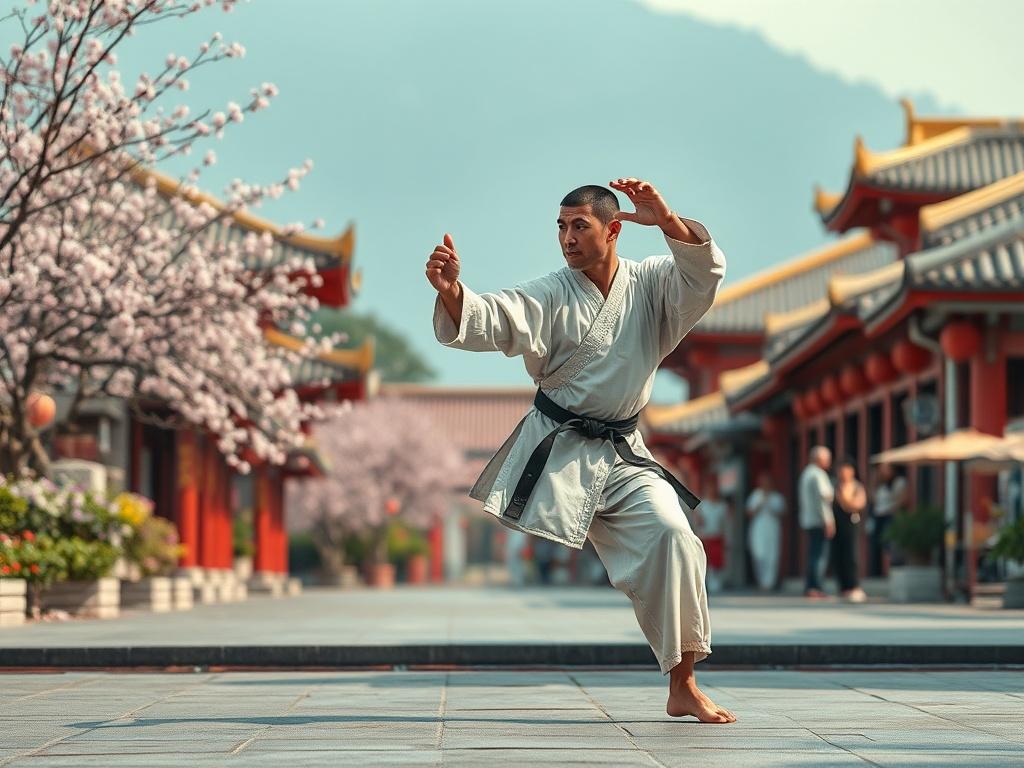
Traveling opens a world of opportunities, revealing not just breathtaking landscapes but also rich, diverse cultures waiting to be explored. For martial artists, these journeys offer a unique vantage point, allowing them to dive deep into the heart of local traditions. As we share personal stories and highlight cultural practices encountered along the way, we see how martial arts serve as a bridge that connects us to the essence of each location we visit. From ancient rituals to contemporary festivities, the traditions we experience enhance our understanding of the martial arts we practice, creating a rich tapestry of knowledge and appreciation.
In this blog post, we will embark on a journey through the stories that shape our experiences in various destinations, showcasing how martial arts intertwine with local customs and values. Each encounter not only enriches our skills as practitioners but also deepens our respect for the cultures we engage with. Join us as we unveil the connections between martial arts and the cultural traditions we have cherished, illustrating how these personal narratives illuminate our travels and serve as a testament to the universal language of respect, discipline, and honor found in martial arts around the globe.
Embracing local cultures: Discovering traditions through martial arts narratives
As a martial artist, I have discovered that the practice of martial arts often serves as a gateway to understanding local cultures. During my travels, I’ve stepped into dojos across various countries, from the ancient temples of Japan to bustling urban studios in Brazil. Each training session unfolds not just techniques and forms, but rich narratives steeped in history and tradition. In these sacred spaces, I’ve learned to appreciate the cultural significance of the art forms and how they reflect the values, philosophies, and practices of their respective communities. The stories woven into martial arts are as profound as the physical techniques, revealing a tapestry of human experience and connection that transcends borders.
Through these experiences, I’ve come to understand that martial arts are not just about self-defense or competition; they embody the spirit of the cultures that nurture them. I recall a memorable evening in a small Thai village, where I participated in a Muay Thai training session under the stars. The camaraderie among practitioners blended with local customs, including traditional music and rituals of respect, creating an environment that celebrated the art from both a physical and cultural perspective. Each punch and kick became a dialogue with the past, bringing to life the values of community, honor, and discipline that characterize Thai culture. This intersection of martial arts and local traditions deepened my appreciation for the places I visited and allowed me to share these intimate narratives with others, enhancing their understanding of the world through the lens of martial arts.
Journeying through stories: Personal encounters with cultural practices and martial arts
Traveling the world opens a treasure trove of stories, each infused with rich cultural practices that often intertwine with martial arts. During my visit to Japan, I found myself captivated by the art of judo, which transcended mere physical practice and ventured deep into the realm of philosophy and respect. As I joined a local dojo, each session became a window into the customs inherent in Japanese society—the bowing upon entering the mat, the emphasis on humility, and the communal spirit that binds practitioners. The sensei shared gripping tales of martial arts legends that shaped the discipline, allowing me to connect the dots between combat techniques and the vibrant tapestry of cultural narratives that at one time seemed distant and foreign.
In other destinations, I encountered unique martial arts traditions that illuminated local beliefs and customs. In Brazil, I immersed myself in capoeira, a captivating blend of dance, music, and martial arts born from resilience and community. The rhythmic sounds of the berimbau filled the air as I listened intently to the history behind this art form, which emerged as a means of resistance against oppression. Each roda (circle) represented not just a display of skill, but a celebration of cultural identity, weaving stories of joy, struggle, and camaraderie. These experiences enriched my travels by showcasing the profound impact martial arts have on local traditions, revealing a deeper understanding of the places I visited.
Connecting with history: How martial arts deepen our understanding of global traditions
Martial arts serve as a living link to history, offering insights into the cultural fabric of the societies from which they originate. As practitioners delve into the techniques and philosophies of their chosen disciplines, they often uncover the stories behind the movements and rituals. For instance, during my travels in Japan, I had the opportunity to participate in a traditional Aikido class. The instructor shared legends of the Samurai and how their code of honor continues to influence Japanese culture today. Each technique held a narrative, intertwining ancient philosophies with modern practice and illustrating how martial arts encapsulate the spirit and resilience of a people.
Furthermore, my exploration of capoeira in Brazil revealed an intricate tapestry woven from the threads of history, music, and social commentary. As I trained alongside local practitioners, they recounted the origins of capoeira as a form of resistance against oppression, reminding participants of their roots and struggles. The blend of martial technique and rhythmic movements during the game felt like a celebration of heritage, emphasizing the importance of cultural pride. By engaging in these martial arts traditions, one not only learns self-defense but also gains a richer understanding of the histories and values that shape communities around the world. Each punch, kick, and stance becomes a gateway to storytelling, bridging the past with the present.